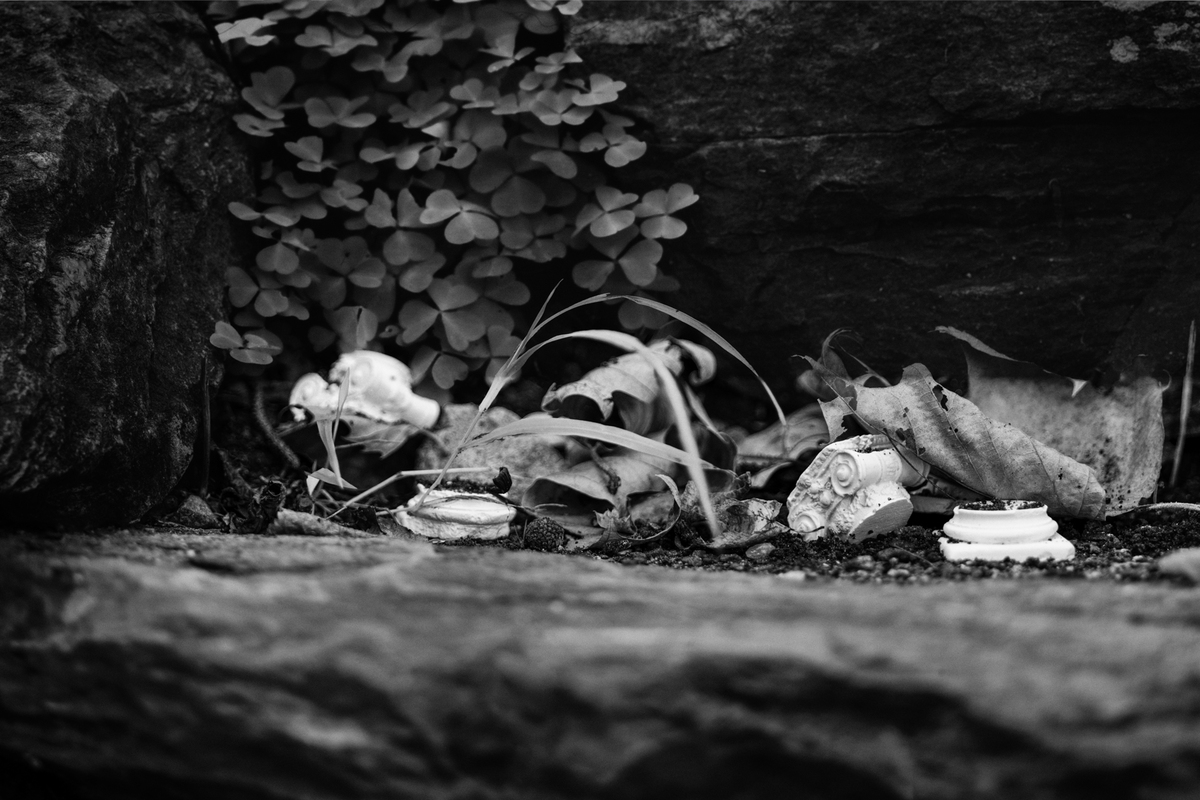
As the work developed, the imagery expanded beyond the domestic sphere—seen in Reveries and Ordinary Views - to incorporate diorama elements, such as classical ruins, in Beneath the Surface. These later works situate the miniatures within natural landscapes and institutional settings across the southern United States. The inclusion of these “classical remains” functions as a subtle reference to Western culture’s persistent claims to Greco-Roman foundations. In dialogue with more recent architectural forms, the images underscore how classical motifs continue to confer authority, permanence, and cultural legitimacy upon contemporary institutions.
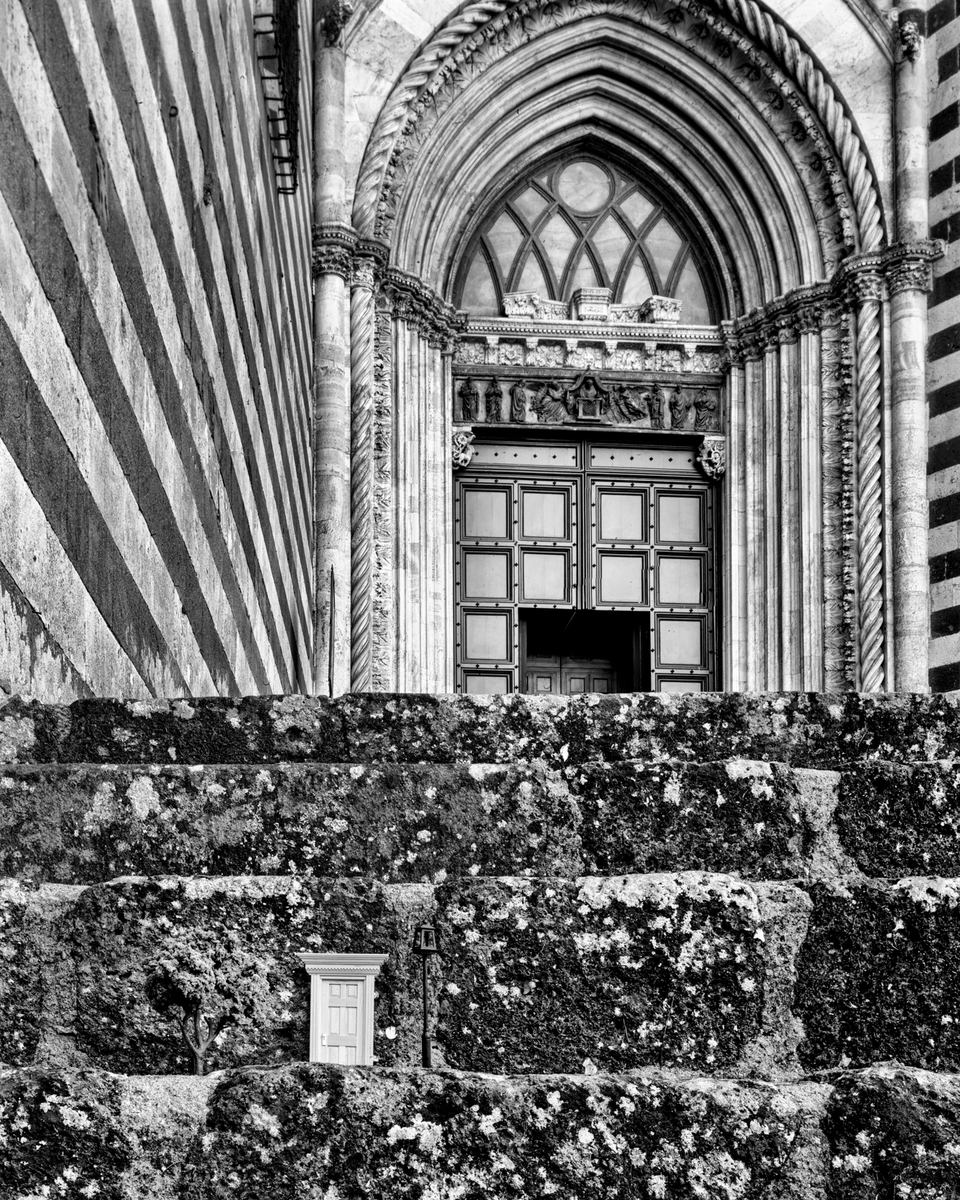
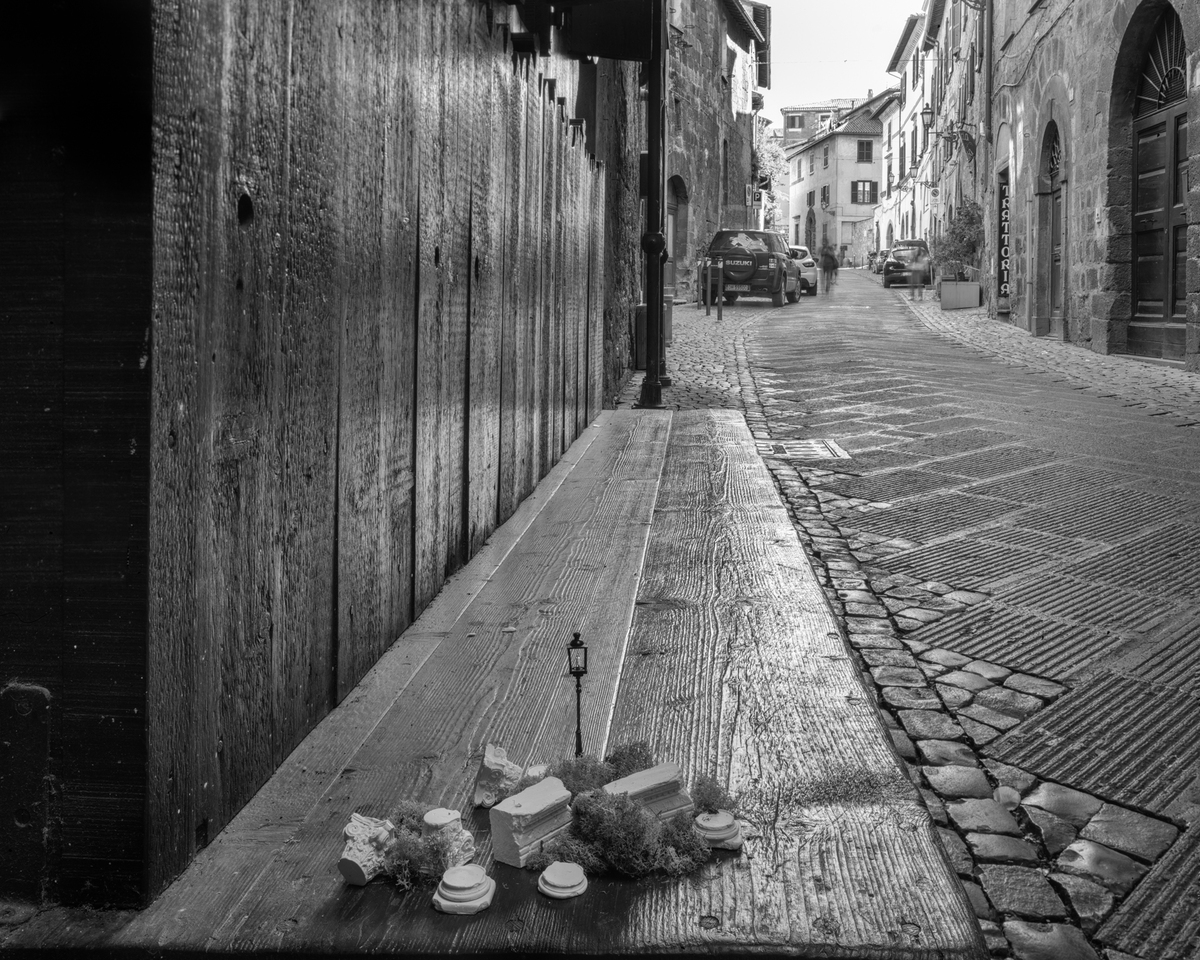
Classical references permeate Italian architecture and visual culture in a more continuous and embedded manner. In Rome, even a superficial engagement with the urban fabric often reveals historical artifacts; more often, however, classical references are structurally integrated into the architecture itself. The spatial forms of churches derive from Roman civic buildings, while column orders imitate antiquity or directly reuse ancient materials. The Catholic Church adopted these elements strategically to reinforce its institutional authority through visual continuity with the classical past. In my images, I juxtapose diorama representations of these forms against iconic monuments to foreground this lineage.
In Italy, I placed my miniatures alongside the architectural ancestors of U.S. civic institutions, tracing how claims of direct inheritance from classical antiquity have circulated through institutions such as the Catholic Church since their origins. These forms recur across centuries, reappearing in Gothic, Renaissance, and Baroque architecture, among others. With additional time, I would like to continue expanding this series to include examples as varied as 1930s Fascist architecture and ancient Roman ruins, further exploring how classical forms are continually reactivated to assert power and legitimacy.






Giordano Angeletti - Artist, Educator, and Curator